 quoneon
Molecular structure
Inspect coordinate geometry, distances, chain statistics and radius of gyration.
Computational Biology
Explore molecular coordinates, compare evolutionary trees, and investigate relationships across biological data. Move between detailed measurements and a broader view of the system you are studying.
144 apps in the catalog · Early access in preparation
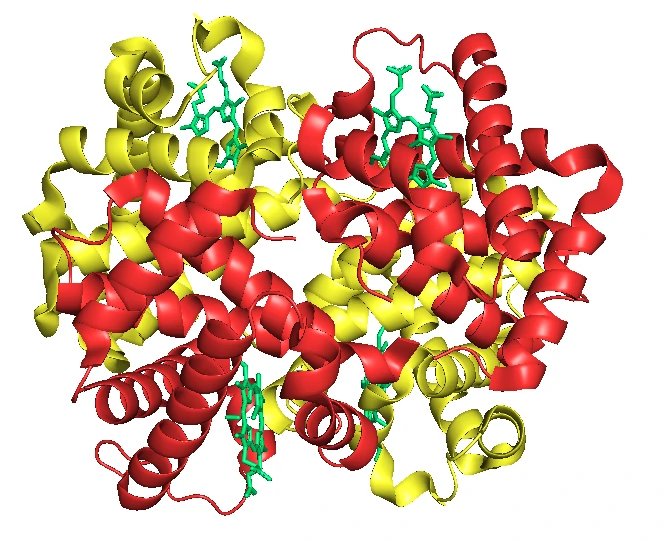
Inspect coordinate geometry, distances, chain statistics and radius of gyration.
Compare tree topology and branch lengths, examine ensembles and interpret supplied support values.
Explore connectivity, network summaries and relationships between system components.
Investigate supported sequence, expression and dynamical-system questions.
Four apps from four areas, brought together in one narrated film.
Selected recorded app demonstrations and saved figures. Example data are identified on screen; these are research examples, not a live hosted session.
PDB structures, coordinate tables, Newick trees and supported biological tables.
Each workflow has its own required fields, units and supported formats. The guide helps you prepare the right input.
Structure measurements, tree comparisons, network summaries, figures and numerical tables.
Read figures alongside the numerical values, settings and limitations of the selected analysis.
Follow a worked example, understand its inputs and inspect the results.
Your next research question
Tell us about your data and the workflow you want to use.